
Transitioning tenants smoothly is crucial for property owners and managers. While finding responsible tenants is key, ensuring a seamless handover and carrying out essential end-of-tenancy repairs at the end of a tenancy period is equally important.
This involves conducting a thorough inspection and addressing any necessary property maintenance to determine the property’s condition and value. Let’s take a look at the essential maintenance tasks to consider once your tenants move out.
Understanding the Responsibility for Repairs: Wear and Tear vs. Damage
Whilst taking care of the end of tenancy repairs, it’s vital to distinguish between “wear and tear” and “damage” caused by the tenant. Wear and tear is the natural deterioration of a property due to everyday use. This includes faded paint, worn carpets from everyday traffic, or minor scratches on floors. Landlords are generally responsible for these repairs.
Damage, however, is caused by negligence or misuse by the tenant. This could be things like broken windows, ripped curtains, clogged drains due to improper disposal of items, or significant dents in walls. Tenants are typically liable for the cost of repairing such damage.
Tip: Clearly outlining tenant responsibilities in a well-drafted tenancy agreement can help avoid disputes and ensure clarity about end-of-tenancy repair expectations.
Prepping for the End-of-Tenancy Inspection
- Schedule a Move-Out Inspection: Plan an end-of-tenancy inspection with the tenant at least a week before their move-out date. This allows them time to complete any minor cleaning or repairs they may be responsible for.
- Reference the Inventory and Tenancy Agreement: During the inspection, compare the property’s condition to the initial inventory report created at the start of the tenancy. This report should detail the condition of walls, floors, fixtures, appliances, and any existing damage.
- Document Everything: Conduct a thorough inspection, taking detailed notes and photographs of any damage found. Photographic evidence is crucial when holding tenants accountable for repairs.
Essential End-of-Tenancy Maintenance Tasks
- Deep Cleaning: Beyond the standard cleaning a tenant is responsible for at move-out, a professional deep clean might be necessary. This includes the cleaning of carpets, ovens, and windows, and the removal of leftover debris.
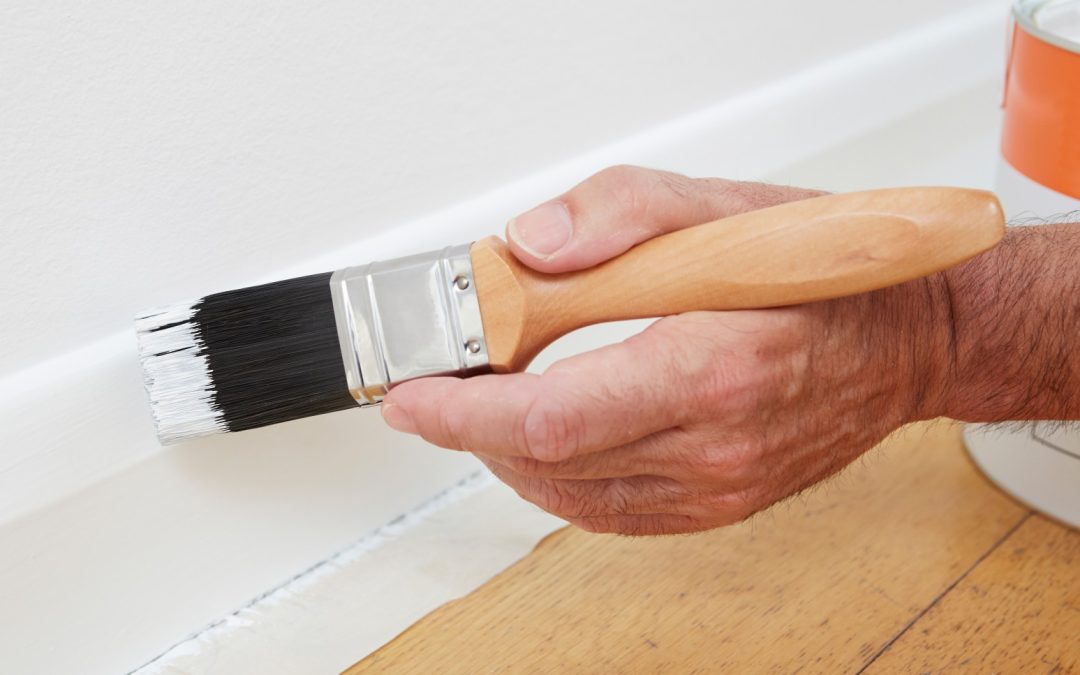
- Painting and Decorating: Over time, walls and ceilings can accumulate scuffs, marks, or minor holes. Depending on the severity, repainting specific areas or the entire room might be necessary. This is where you can call on a reputable painting and decorating company to help get the space looking as good as new!
- Floor Repairs: Worn carpets, chipped floor tiles, or scratched wooden floors might require repairs or replacement. The extent of the repairs will depend on the type of flooring and the extent of the damage.
- Plumbing and Electrical Fixes: Leaking taps, faulty lights, or clogged drains should be addressed promptly to prevent water damage or electrical hazards.
- Security and Safety: Ensure all locks and security systems are in working order. Replace any damaged keys and consider re-keying the property for new tenants. Smoke and carbon monoxide detectors should also be checked and replaced if necessary.
- Gardening and Outdoor Maintenance: Depending on the tenancy agreement, overgrown gardens, damaged fences, or overflowing gutters might require attention. Regular upkeep of the exterior enhances the property’s kerb appeal and longevity.
- Appliance Maintenance: Have major appliances like ovens, refrigerators, and washing machines professionally serviced or replaced if they are malfunctioning or nearing the end of their lifespan.
Managing End-of-Tenancy Repair Costs
- Budgeting for End-of-Tenancy Repairs: Factor in potential repair costs when calculating rental income and setting rental rates. Budgeting for necessary maintenance helps avoid financial strain.
- Tenant Deposits: While not meant to cover major repairs, tenant deposits can contribute towards addressing minor damage beyond “wear and tear” if documented appropriately.
- Considering Property Insurance: Comprehensive property insurance can help protect against unexpected costs associated with unforeseeable damage.
- Comparing Quotes: Get quotes from different qualified tradespeople before committing to repairs. This will help ensure you are getting a fair price for the work.
Additional Tips for a Smooth End-of-Tenancy Process
- Maintain Clear Communication: Communicate openly and transparently with tenants regarding expectations for the property’s condition at the end of the lease.
- Hire Reliable Contractors: Work with experienced and reputable property maintenance professionals who specialise in this area.
- Maintain Records: Keep detailed records of all inspection reports, photographs, repair invoices, and correspondence with tenants. This documentation becomes crucial in case of any disputes over repairs or deposit deductions.
Property owners and managers can ensure a smooth end-of-tenancy transition by planning, conducting thorough inspections, and prioritising essential maintenance tasks.
Investing in timely repairs not only protects the property’s value but also ensures a positive experience for both departing and incoming tenants.
By implementing these strategies, you can maintain a well-maintained property, attract responsible tenants, and achieve long-term success in your property management endeavours.
For help with carrying out your end of tenancy repairs and maintenance, get in touch with Snagmaster SW, your team of local property maintenance experts.