Buying a new-build home should mean enjoying modern facilities, efficient heating and reliable plumbing from day one. However, even newly constructed properties can have plumbing defects that aren’t immediately obvious during a viewing.
From leaking pipework and poorly fitted bathroom fixtures to inconsistent water pressure and drainage problems, plumbing issues are among the things worth checking carefully before accepting your new home.
A professional new-build snagging survey can help identify these problems early, giving your developer the opportunity to put them right.
1. Leaking pipes and connections
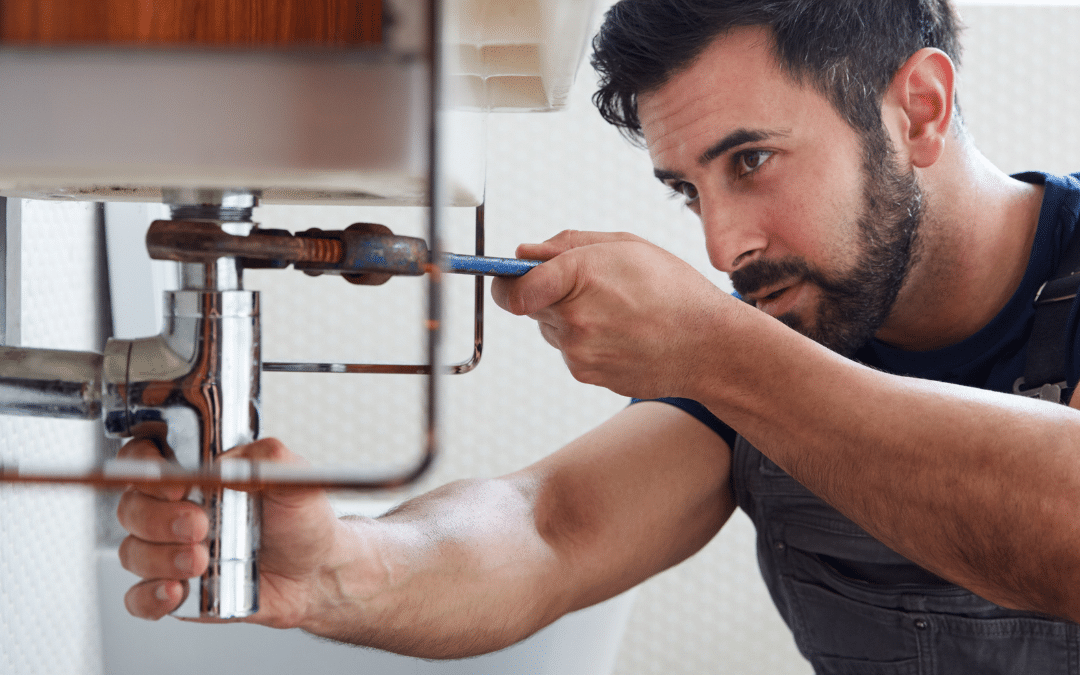
One of the most important things to look for in a new-build property is evidence of leaking pipework.
Poorly secured connections, incorrectly fitted joints or damaged seals can cause water to escape, sometimes behind kitchen units, beneath sinks or around bathroom fittings.
Look out for:
-
Damp patches beneath sinks and around pipe connections.
-
Water collecting inside kitchen or bathroom cupboards.
-
Dripping taps or shower connections.
-
Discolouration around plumbing fittings.
-
Unexplained dampness around pipework.
Even a small leak can cause damage over time, particularly if it goes unnoticed behind cabinets or beneath flooring.
2. Poor water pressure
Inconsistent or unusually low water pressure can make everyday activities frustrating.
You might notice that taps produce only a weak flow, showers struggle to maintain pressure or the water supply changes when multiple taps are being used.
Although some pressure variations can be normal depending on the property’s plumbing system, persistent problems should be investigated.
A snagging inspection can help identify visible issues with fittings and plumbing installations that may require further investigation.
3. Incorrectly fitted bathroom fixtures
Bathrooms contain several fixtures that need to be properly installed and sealed.
Poor workmanship can result in problems that aren’t immediately noticeable, particularly around showers, baths, toilets and basins.
Common defects include:
-
Poorly sealed shower trays and bath edges.
-
Loose taps and shower fittings.
-
Toilets that move or are incorrectly secured.
-
Misaligned basin waste pipes.
-
Damaged or poorly finished silicone seals.
-
Shower screens that haven’t been fitted correctly.
Water escaping through poorly sealed areas can eventually damage flooring, walls and surrounding fixtures.
4. Drainage and waste pipe problems
Drainage issues can become apparent shortly after moving into a new home.
Slow-draining sinks, unpleasant smells and water backing up in showers can indicate problems with waste pipes or drainage installations.
Potential causes include incorrectly fitted waste connections, blockages or inadequate pipe gradients.
It’s worth checking that sinks, baths and showers drain effectively and that there are no obvious leaks around waste connections.
5. Heating and hot water issues
Your new home should have a heating and hot water system that operates as intended.
However, installation and commissioning issues can sometimes cause problems.
These might include:
-
Radiators that fail to heat evenly.
-
Thermostats that don’t respond correctly.
-
Hot water taking an unusually long time to reach taps.
-
Unusual noises from heating equipment.
-
Visible leaks around radiators and valves.
-
Poorly finished pipework around boilers and heating systems.
Some heating problems require specialist testing, but a visual snagging inspection can help identify obvious defects and concerns that may need further investigation.
6. Poorly sealed showers and wet areas
Bathrooms and en-suites need effective sealing to prevent water from escaping into surrounding areas.
Look closely at the silicone around shower trays, baths, sinks and worktops.
Gaps, uneven sealant and poorly finished joints can allow water to penetrate behind fittings.
It’s particularly important to check shower enclosures, where repeated exposure to water can quickly highlight problems with poor installation.
Why should you check plumbing before moving into a new-build?
Plumbing defects aren’t always obvious during a quick walkaround with your developer.
Some issues only become apparent when fixtures are used regularly or when the heating system is running.
Identifying problems early gives you the opportunity to raise them with your developer and request appropriate remedial work while your new home is still within its initial warranty period.
An independent snagging survey provides a detailed record of visible defects, helping you communicate concerns clearly and keep track of the issues that need attention.
Book an independent new-build snagging survey
At Snagmaster SW, we carry out detailed independent snagging surveys across the South of England.
Our inspections look at the quality of workmanship throughout your property, including bathrooms, kitchens, plumbing installations, heating systems, fixtures and finishes.
You’ll receive a detailed photographic PDF report on the day, highlighting defects and providing clear information to share with your developer.
Whether you’re preparing to complete or have already moved into your new home, we can help you identify problems before they become bigger headaches.
Book your new-build snagging survey with Snagmaster SW and enjoy greater confidence in your new home.
Frequently Asked Questions
Can a new-build home have plumbing problems?
Yes. Even newly constructed homes can have plumbing defects caused by poor installation, damaged fittings, incorrectly connected pipework or inadequate finishing.
Should plumbing be checked during a snagging survey?
Yes. Visible plumbing installations, bathroom fittings, kitchen connections and heating components should form part of a thorough snagging inspection. Specialist testing may be needed to investigate certain faults.
Will my developer fix plumbing problems in a new-build home?
Developers are generally responsible for addressing defects covered by their contractual obligations and applicable warranty arrangements. You should report problems promptly and keep a written record of any issues.
Can I arrange a snagging survey after moving in?
Absolutely. A post-completion snagging survey can identify defects that weren’t apparent before you moved in, including issues that become noticeable through everyday use.