
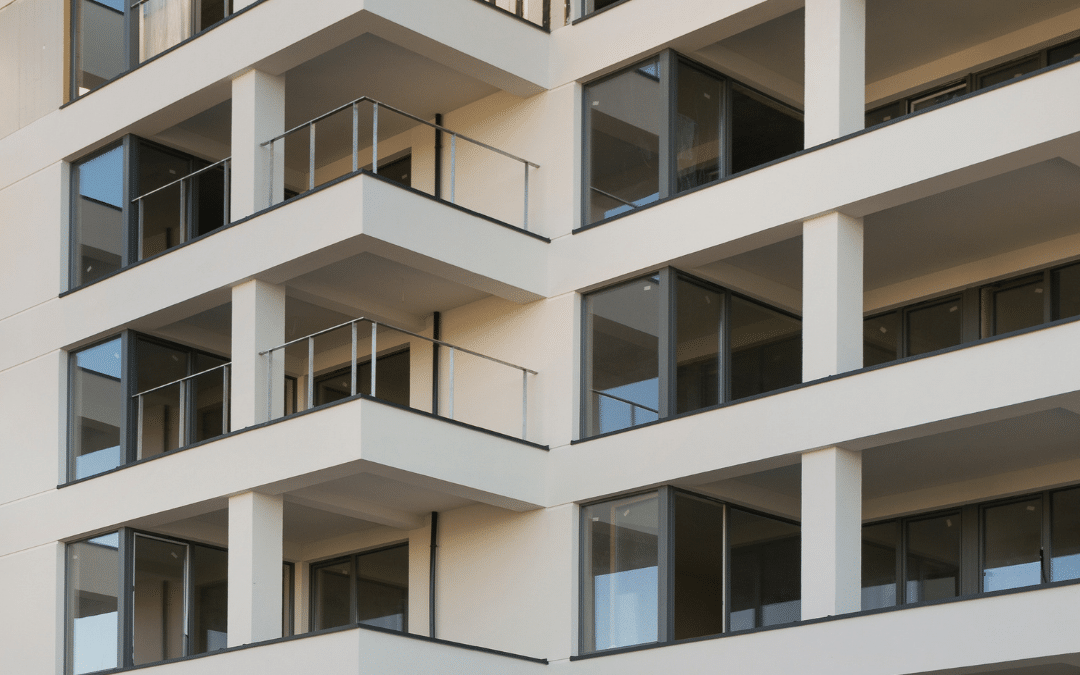
Buying a new-build flat or apartment can be an exciting milestone. Whether you’re purchasing your first home, downsizing or investing in a rental property, a brand-new apartment should offer modern living without the maintenance concerns associated with older properties.
However, just because a property is newly constructed doesn’t mean everything will be finished perfectly.
New-build flats can have the same workmanship and installation defects as houses, as well as some additional considerations relating to shared areas, communal facilities and building services.
An independent snagging survey helps identify problems within your individual property before they become more difficult or expensive to resolve.
Here’s what you should check when buying a new-build flat.
1. Windows, doors and balconies
Windows and external doors should be checked carefully to ensure they have been fitted correctly and operate as intended.
Look for:
-
Windows that stick or don’t close properly.
-
Damaged glass or window frames.
-
Gaps around frames and seals.
-
Poorly fitted external door locks.
-
Damaged balcony doors.
-
Uneven or poorly finished balcony thresholds.
-
Defects in visible balcony finishes and drainage.
If your flat has a balcony, check that the visible surfaces and finishes appear complete and undamaged.
Balcony waterproofing and structural elements may require specialist assessment beyond the scope of a standard visual snagging inspection.
2. Heating and ventilation
Heating and ventilation are particularly important in flats, where there may be fewer opportunities for natural airflow.
Check that heating controls, radiators and visible ventilation components appear correctly installed and finished.
Potential issues include:
-
Radiators that are loose or poorly finished.
-
Damaged heating controls.
-
Incorrectly fitted vents.
-
Noisy ventilation equipment.
-
Visible gaps around ventilation outlets.
-
Poorly finished pipework.
If your apartment has mechanical ventilation or a communal heating system, it’s worth understanding how the system operates and who is responsible for its maintenance.
3. Plumbing and bathroom installations
Bathrooms in new-build apartments should be checked just as carefully as those in houses.
Look for leaking taps, poorly fitted toilets, damaged shower fittings and inadequate silicone around baths and shower trays.
Check that:
-
Taps and shower controls are secure.
-
Toilets are properly fitted.
-
Waste fittings are finished correctly.
-
There are no visible leaks beneath sinks.
-
Shower screens are aligned.
-
Silicone seals are complete.
-
Water drains away properly.
Plumbing issues can be particularly frustrating in apartments because leaks may also affect neighbouring properties.
4. Floors, walls and ceilings
Poor finishing is one of the most noticeable types of defect in a newly built flat.
Look closely at walls, ceilings and flooring throughout the property.
Common issues include:
-
Uneven plasterwork.
-
Cracks in walls and ceilings.
-
Poorly finished paintwork.
-
Scratched or damaged flooring.
-
Loose floorboards or floor coverings.
-
Uneven skirting boards.
-
Gaps around door frames and architraves.
Pay particular attention to corners, ceiling junctions and areas around windows, where finishing defects can be easy to overlook.
5. Electrical fittings and lighting
Your apartment’s electrical fittings should be checked for visible damage and poor installation.
This includes:
-
Loose sockets and switches.
-
Damaged faceplates.
-
Misaligned light fittings.
-
Poorly fitted extractor fans.
-
Missing or damaged fittings.
-
Incomplete finishing around electrical installations.
A visual snagging inspection is not a substitute for electrical testing or certification, but it can highlight visible defects that need addressing.
Make sure you receive the relevant electrical documentation from your developer.
6. Fire doors and safety features
Fire safety is an important consideration in apartment buildings.
Your flat may have specific fire safety features, including a designated entrance door, smoke alarms and other safety equipment.
Check for visible damage, incomplete finishing and obvious operational problems with doors and fittings.
Your entrance door should open and close correctly, latch securely and appear properly fitted.
Do not alter or adjust fire doors yourself. Any concerns about their installation, operation or compliance should be raised with the developer or building management.
7. Communal areas and shared facilities
Unlike a traditional house, owning a flat often means sharing parts of the building with other residents.
Communal areas may include:
-
Entrance halls and reception areas.
-
Corridors and stairwells.
-
Lifts.
-
Shared bin storage.
-
Car parks.
-
Gardens and outdoor spaces.
Although these areas may fall outside an individual flat’s snagging inspection, their condition is still worth considering when purchasing a property.
Ask the developer or managing agent about outstanding works, maintenance responsibilities and the process for reporting defects in communal areas.
8. Water damage and signs of damp
Water ingress can be particularly problematic in apartment buildings because issues may originate from neighbouring properties or shared building services.
Look for visible staining, damp patches, damaged sealant and discolouration around windows, ceilings and plumbing installations.
Pay attention to:
-
Ceiling corners and junctions.
-
Areas beneath bathroom fittings.
-
Window reveals.
-
External-facing walls.
-
Areas around visible pipework.
If you notice signs of moisture, raise them with your developer promptly so the underlying cause can be investigated.
Why book an independent snagging survey for your flat?
When buying an apartment, you’re often relying on the developer to confirm that the property is complete and ready for occupation.
However, a quick handover inspection may not identify every defect.
An independent snagging survey provides a detailed assessment of the workmanship and visible finishes within your property.
It helps identify problems you may have missed and provides photographic evidence that can be shared with your developer.
This is particularly useful before completion, when the developer may still have access to the property to carry out remedial work.
If you’ve already moved in, a post-completion snagging survey can still help identify defects within your applicable warranty period.
Book your new-build flat snagging survey with Snagmaster SW
At Snagmaster SW, we provide independent snagging surveys for new-build properties across the South of England.
Our experienced team carries out detailed inspections, identifying visible defects and issues with workmanship throughout your property.
You’ll receive a comprehensive photographic PDF report on the day, providing a clear list of issues to share with your developer.
Whether you’ve purchased a new-build apartment as your first home or as a property investment, we’ll help you understand the condition of your property and identify anything that needs attention.
Contact Snagmaster SW for an instant snagging survey quote and protect your new-build investment.
Frequently Asked Questions
Do I need a snagging survey for a new-build flat?
Although not a legal requirement, an independent snagging survey is recommended for new-build flats. It can identify defects in workmanship, fittings and finishes that may otherwise go unnoticed.
Are new-build flats covered by the same warranties as houses?
New-build flats may have structural warranties and developer defect obligations, but the specific cover and responsibilities depend on the warranty provider, building and purchase arrangements. Always check your documentation.
Can I get a snagging survey for an apartment after moving in?
Yes. A post-completion snagging survey can identify defects after you’ve moved into your apartment, helping you raise issues with the developer within the relevant reporting periods.
Does a snagging survey cover communal areas?
A standard inspection focuses on the individual property. Communal areas are generally managed separately, so you should check with the developer or managing agent about outstanding defects and responsibility for shared spaces.
Are new-build apartments prone to defects?
New-build apartments can experience the same issues as houses, including poor finishing, plumbing problems, faulty fittings and window defects. Their shared building services and communal facilities also introduce additional considerations.