
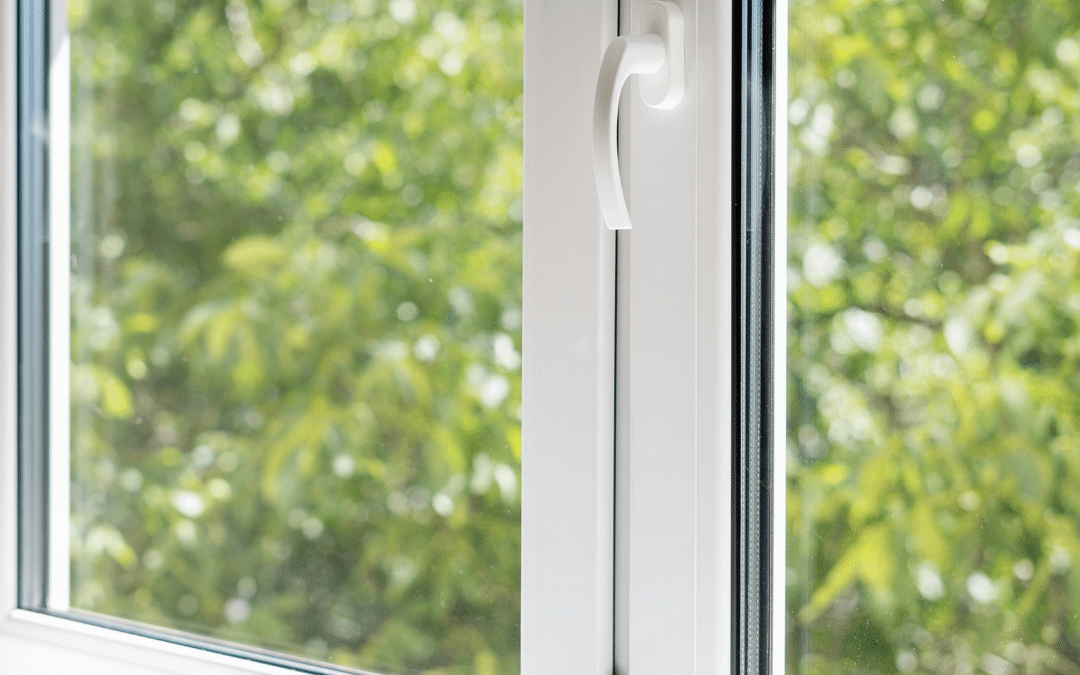
Windows and doors play an important role in the comfort, security and energy efficiency of your new-build home.
You expect them to be properly fitted, secure, weatherproof and easy to operate. However, problems with installation, alignment and finishing can sometimes go unnoticed during the excitement of moving into a brand-new property.
From draughty windows and stiff door handles to damaged frames and poorly fitted seals, there are several common defects worth checking before accepting your new home.
Here’s what to look out for.
1. Windows that don’t open or close properly
One of the most common things to check in a new-build property is whether every window opens, closes and locks correctly.
Windows that stick, catch against their frames or require excessive force to operate may not have been installed or adjusted properly.
Check:
-
Whether windows open smoothly.
-
Whether handles turn without resistance.
-
Whether locking mechanisms engage correctly.
-
Whether windows close fully against their seals.
-
Whether there are any visible gaps around the frame.
Poorly aligned windows can affect security, ventilation and weather resistance.
2. Draughts around window frames
New-build homes are designed to be energy efficient, so noticeable draughts around windows shouldn’t be ignored.
Gaps around frames, damaged seals or poor installation can allow cold air to enter and warm air to escape.
This can make rooms uncomfortable and potentially increase heating costs.
Look for:
-
Gaps between the window frame and surrounding wall.
-
Damaged or missing weather seals.
-
Poorly finished internal edges.
-
Visible daylight around closed windows.
Some defects may be difficult to identify visually, so further investigation may be necessary if you suspect a window isn’t sealing properly.
3. Damaged glass and window frames
Windows should be checked for damage, even if it isn’t immediately obvious.
Look carefully for scratches, chips, cracks and imperfections in the glass, as well as damage to the surrounding frame.
Common issues include:
-
Scratched or chipped glass.
-
Cracked window frames.
-
Damaged seals around glazing units.
-
Poorly finished frame corners.
-
Discolouration or marks on window surfaces.
It’s worth checking every window individually rather than assuming they have all been installed to the same standard.
4. Condensation between double-glazed panes
Condensation on the inside of your windows can sometimes be a normal consequence of temperature differences and humidity.
However, moisture trapped between the panes of a double-glazed window is different.
This can indicate a failed glazing unit or damaged seal, potentially affecting the window’s insulating performance.
If you notice persistent misting or condensation between the panes, raise it with your developer for investigation.
5. Poorly fitted external doors
Your front door, back door and patio doors should all operate smoothly and provide a secure seal.
Common defects include:
-
Doors that catch on the frame or floor.
-
Uneven gaps around the door.
-
Loose or poorly fitted handles.
-
Faulty locking mechanisms.
-
Damaged hinges.
-
Poorly fitted weather seals.
-
Scratches, dents or damage to the door surface.
External doors are particularly important because defects can affect security and allow water or cold air into your property.
6. Problems with sliding and bi-fold doors
Large sliding and bi-fold doors are popular in modern new-build homes, particularly where kitchens and living spaces open onto gardens.
However, their size and moving components mean installation quality is especially important.
Check that:
-
Doors slide or fold without sticking.
-
Tracks are free from damage and obstruction.
-
Handles and locking mechanisms operate correctly.
-
Panels align properly when closed.
-
Seals are fitted correctly.
-
There are no obvious gaps between panels.
Poorly fitted doors can become difficult to operate and may compromise weatherproofing.
7. Poor finishing around windows and doors
The quality of the surrounding finish is just as important as the window or door itself.
Look for uneven plasterwork, gaps in sealant, damaged paintwork and poorly finished edges.
Common finishing defects include:
-
Cracked plaster around window openings.
-
Uneven silicone or mastic.
-
Gaps between frames and surrounding walls.
-
Damaged window boards.
-
Poorly fitted architraves and trims.
-
Visible gaps around door frames.
These might seem like minor cosmetic issues, but they can indicate rushed or incomplete finishing work.
Why an independent window and door inspection matters
When you’re buying a new-build home, it’s easy to concentrate on the overall appearance of the property and overlook individual details.
However, checking every window and door takes time, and defects can be difficult to spot without a systematic inspection.
An independent snagging survey provides a more thorough assessment of your property, identifying visible installation defects, damage and finishing problems that you can raise with your developer.
It also gives you a photographic record of the issues, making it easier to communicate exactly what needs attention.
Protect your new-build investment with Snagmaster SW
At Snagmaster SW, we provide independent new-build snagging surveys across the South of England.
Our detailed inspections cover the quality of workmanship throughout your home, including windows, doors, fixtures, fittings and finishing details.
We provide a comprehensive photographic PDF report on the day, giving you a clear record of any defects identified.
Whether you’re buying your first home or moving into your next property, a professional snagging survey can help ensure the finish meets the standards you expect.
Get a quote for your new-build snagging survey and let us help you move in with confidence.
Frequently Asked Questions
Should windows and doors be checked during a snagging survey?
Yes. Windows and doors should be checked for visible damage, poor alignment, faulty operation, inadequate sealing and finishing defects.
Why are my new-build windows difficult to close?
This could be caused by poor alignment, incorrectly adjusted hinges or installation issues. Your developer should be informed so the problem can be investigated.
Is condensation between double-glazed windows a defect?
Persistent condensation between the panes can indicate a failed glazing seal. This should be raised with your developer for assessment.
Can a snagging survey identify draughty windows?
A snagging survey can identify visible gaps, damaged seals and installation concerns. More detailed testing may be required to establish the exact cause of air leakage.